How to Connect With Customers: 10 Effective Ways That Build Trust and Loyalty

Quick answer:
To connect with customers, listen carefully, personalize each interaction, and make it easy for people to get help on the channels they already use. Brands build stronger customer relationships when they respond with empathy, follow up consistently, act on feedback, and create useful experiences beyond the sale.
Connecting with customers is not only about being friendly. It is about making people feel understood, supported, and confident that your business will help them reach a goal or solve a problem.
That connection usually starts with one simple question: Does the customer feel known, valued, and heard? When the answer is yes, trust grows faster, loyalty improves, and customers are more likely to stay, buy again, and recommend your business to others.
In this guide, you will learn 10 practical ways to connect with customers, plus examples, metrics to track, and common mistakes to avoid.
Table of Contents
What is a Customer Connection?
Customer connection is the sense of trust, relevance, and emotional alignment a person feels toward a business after a series of interactions. It grows when every touchpoint, from marketing to support to post-purchase follow-up, feels helpful, human, and consistent.

A strong customer connection usually includes:
- Clear communication.
- Fast and respectful support.
- Personalized experiences based on real customer needs.
- Honest expectations around pricing, delivery, and outcomes.
- Consistent value after the first purchase.
Customer connection is closely related to customer perception, customer engagement, and customer loyalty.
“Get closer than ever to your customers. So close that you tell them what they need well before they realize it themselves.”

— Steve Jobs
Why customer connection matters?
Customer relationships affect more than brand image. They influence retention, repeat purchases, referrals, and how customers talk about your business when you are not in the room.
When customers feel connected to a brand, they are more likely to keep using its services, respond to outreach, and share feedback that helps the company improve.
That is why businesses that invest in trust, personalization, and support quality tend to create better long-term outcomes than businesses that only focus on short-term sales.
Benefits of stronger customer relationships
- Greater resilience when mistakes happen, because trust already exists.
- More repeat purchases and stronger customer lifetime value.
- Better reviews, referrals, and word of mouth.
- More honest feedback that helps improve your product or service.
- Higher retention and lower churn.
Recommended Blogs for you:
👉 What is World Class Customer Service and How to Achieve it
👉 What are the Common Mistakes in Customer Service
👉 How a Good Customer Support Impacts Your Business: The Importance of Caring for Customers
👉 What is Customer Perception, and Why is it Important?
10 Effective Ways to Connect with Customers
Here are 10 effective ways on how to connect with customers:
Practice active listening and empathy
Customers want to feel understood before they want a solution. Active listening means focusing fully on what they are saying, asking clarifying questions, and confirming the issue before responding.
Empathy matters just as much. When customers can see that your team understands the inconvenience, urgency, or frustration behind the request, the interaction feels human instead of transactional.
Example: Instead of saying, “We are checking,” say, “I understand this is delaying your work. I am checking the issue now and will update you in 15 minutes.”
Personalize the experience
Personalization helps customers feel recognized, not processed. Use names, past purchases, ticket history, business context, or product usage to tailor your response.
You do not need invasive personalization to do this well. Start with simple, high-value touches such as relevant recommendations, follow-up messages based on previous interactions, or support replies that reference the customer’s actual problem.
For a deeper strategy, review these ideas on personalized customer experience.
Be available on the right channels
Customers expect support on the channels they already use, such as email, live chat, contact forms, social media, portals, or messaging apps. The goal is not to be everywhere; it is to be easy to reach where your audience already spends time.
If your business supports multiple channels, make the experience consistent across them. Customers should not need to repeat the same issue every time they move from chat to email or from a form to a ticket.
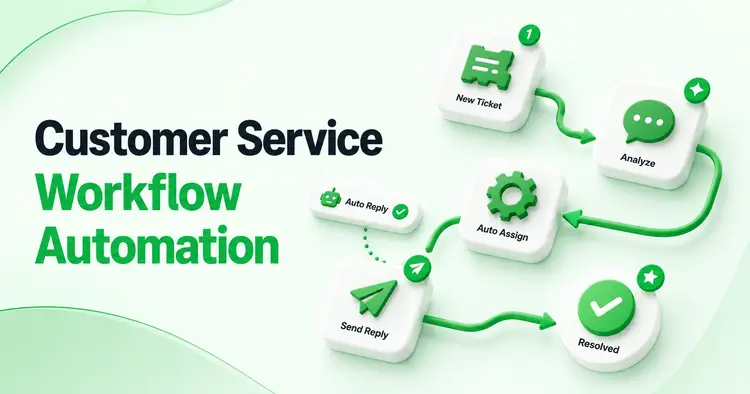
Support Genix helps teams centralize support interactions with tools like ticketing, chatbot workflows, customer portals, and integrations available on the features page.
Deliver fast, respectful customer service
Speed alone does not create connection, but slow and confusing support can break it quickly. Customers remember whether your team responded clearly, set expectations, and solved the issue without extra friction.
Strong support teams combine quick response times with empathy, accuracy, and follow-up. If your team needs a process refresh, this guide to good customer service can help.
Ask for Feedback and Act on It
Feedback is one of the clearest ways to learn what customers actually think about your business. Use post-support surveys, short polls, interviews, reviews, and account check-ins to understand friction points and opportunities.
But collecting feedback is only the first step. Customers build trust when they can see that their suggestions lead to clearer communication, better support, or product improvements.
Use this related guide on customer feedback to improve your response process.
Handle complaints with care
A complaint is not just a problem to close. It is also a moment that shapes how the customer will remember your business.
Acknowledge the issue quickly, avoid defensive language, explain the next step, and follow through when you promise an update. Businesses often build more trust by resolving difficult moments well than by avoiding problems entirely.
This resource on customer complaints can help you tighten your workflow.
Share useful educational content
Educational content keeps the relationship going even when the customer is not actively buying. Blog posts, tutorials, webinars, onboarding emails, FAQs, and product guides all help customers get more value from your brand.
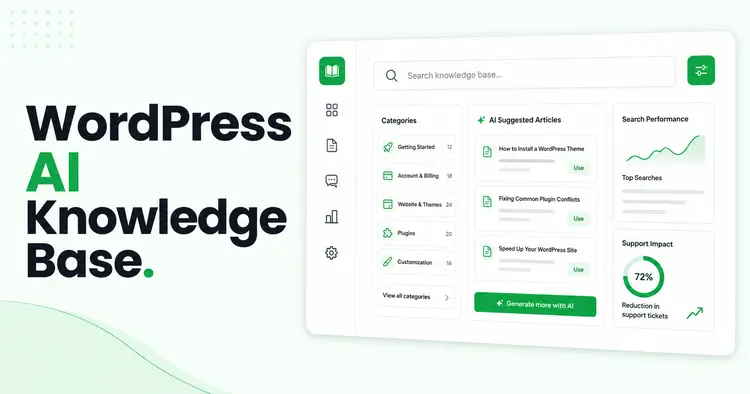
This is especially important for software, services, and products that need setup, explanation, or training. A strong knowledge base and self-serve help content can reduce support friction while improving trust.
You can also explore the role of self-service support in modern customer service.
Build a community around your brand
Communities create connection at scale. Customers often trust peer experiences, shared tips, and open discussion as much as brand messaging.
You can build community through webinars, user groups, comment discussions, social channels, private communities, or customer events. The best communities make customers feel like participants, not just buyers.
Be proactive, not only reactive
Many businesses only talk to customers when there is a problem. Stronger brands reach out before confusion grows.
Proactive connection can include onboarding emails, renewal reminders, product education, check-ins after purchase, and alerts about issues before customers notice them. Even a short update can reduce anxiety and build trust.
Be Authentic and Transparent
Customers notice when messaging sounds overly polished but not honest. Connection grows when your business communicates clearly about limitations, delays, pricing, policy changes, and next steps.
Transparency does not mean sharing everything. It means giving customers enough accurate information to make a confident decision and feel respected in the process.
Support Genix
WordPress Support Ticket Plugin
Take Your Customer Support to The Next Level and Boost Customer Satisfaction Rates
Common mistakes that weaken customer connection
- Generic replies that ignore the customer’s actual context.
- Slow responses without expectation setting.
- Asking for feedback and never acting on it.
- Being active on too many channels but inconsistent on all of them.
- Hiding important details about pricing, policy, or delays.
- Treating support as a cost center instead of a relationship channel.
How to measure customer connection
Track both relationship metrics and support metrics over time:
- CSAT.
- NPS.
- Customer retention rate.
- Repeat purchase rate.
- First response time.
- Resolution time.
- First-contact resolution rate.
- Review sentiment and customer comments.
How Support Genix helps teams connect with customers
Support Genix can help businesses create faster and more connected customer experiences inside WordPress. It brings customer conversations, ticket management, self-service options, AI tools, and integrations into one workflow.
Useful starting points:
- Explore features to see how ticketing, chatbot, portal, and integrations support customer communication.
- Review pricing for plan details.
- Visit the knowledge base for documentation and self-service guidance.
Frequently Asked Questions
How do you connect with customers effectively?
Active listening is crucial for effective customer connections and shows you value them. It builds trust when customers feel heard and understood. Valued customers are more likely to remain loyal and engage positively with your brand.
Why is personalization important in customer connection
Use customer data to tailor communication based on past purchases or preferences. Personalizing messages shows you genuinely care about customers’ needs and wants. Offering tailored solutions increases customer satisfaction and encourages long-term engagement.
Why is personalization important in customer connection
Personalization shows customers that your business understands their context instead of treating them like a ticket number. That makes communication more relevant, support more useful, and the relationship more memorable.
How can I improve my customer service?
Train your support team to handle inquiries with empathy and efficiency for better service. Streamline processes to ensure quick responses and effective resolutions for customer issues. Consistent excellent customer service fosters trust, loyalty, and satisfaction among customers.
What are some practical ways to collect customer feedback?
Send customer surveys, use live chat tools, and encourage reviews after purchases. Social media polls serve as efficient methods for gathering customer feedback. Actively collecting feedback identifies areas for improvement and shows customers their opinions matter.
How can small businesses create stronger customer connection?
Webinars provide valuable real-time engagement with your audience and foster deeper connections. They help build your authority by showcasing expertise and offering educational value to participants. Webinars encourage trust and let customers interact directly with your brand.
Conclusion
Connecting with customers is not about using one tactic perfectly. It is about creating a consistent experience where customers feel heard, respected, and supported at every stage of their journey.
When businesses combine empathy, personalization, timely support, useful content, and honest communication, they build stronger relationships that lead to trust, loyalty, and long-term growth. The most effective customer connection strategies are the ones customers can feel in every interaction.